

When you conjure up images of science in your mind, a few stock images spring forth: Einstein with his wild hair, Newton sat beneath an apple tree.
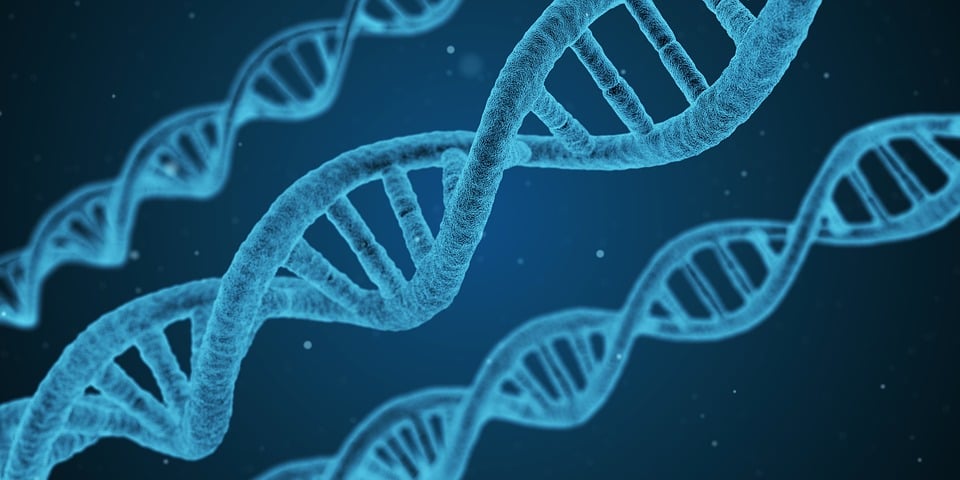
Perhaps most famously? The DNA double helix. Standing on the shoulders of giants like Miesch, Levene and Chargaff, American biologist James Watson and English physicist Francis Crick discovered in the 1950s that the DNA molecule exists in the form of a three-dimensional double helix. But what about since then?
Not to worry, the study of genes and DNA has continued, with various breakthroughs over the years. Nowadays, scientists are focusing on genetics (the study of genes, genetic variation and heredity in living organisms) and genomics (the sequencing and analysis of genomes).
The main thing that has seemed to stand in their way? Technology not progressing quickly or effectively enough to keep up with their studies. Luckily, the creation of Chromatrap has provided DNA scientists with the means to make the most of their studies.
What is Chromatrap?
Chromatrap is a revolutionary solid state platform for chromatin immunoprecipitation (otherwise known as ChIP). This process allows researchers to study the association of specific proteins and how they affect defined genomic regions.
It is most commonly used to map DNA-protein interactions in cells. This allows us to understand gene regulation. The process involves four primary steps. First, DNA is cross-linked with associated proteins. Next, DNA-protein complexes are sheared into fragments by sonication or nuclease digestion.
Then, cross-linked DNA fragments are selectively immunoprecipitated from the cell debris with protein-specific antibodies. Finally, associated DNA fragments are purified and their sequence is determined. This is a complex process and any streamlining or improvement of it could prove highly beneficial to those carrying it out.
The Benefits of Chromatrap
Until the release of Chromatrap, the options available on the market tended to use bead-based filtration systems. Examples are chromatin immunoprecipitation kits supplied by brands such as Cell Signalling Technology (CST), Abcam, Zymo Research, Diagenode, Active Motif and Epigentek. Chromatrap alternatively uses spin columns and filter plates.
This allows the user to carry out ChIP (from chromatin preparation to qPCR) in under five hours. It requires less manual handling on the part of the user, minimizing the risk of human error and eliminating sample loss through multiple pipetting steps. It is also optimized for smaller samples which give notably improved qPCR results: the standard sample size from Chromatrap is an impressive 1000 ng.
This also allows more IP assays from a single sample. Finally, there are multiple formats available. From single column to 69-well high throughput formats, there’s something to suit every form of research.
Who Uses It?
It’s not surprising that such elite and beneficial tech is used by some of the top scientific institutions. Current clients include Cancer Research UK, the University of Cambridge, Harvard University and Brown. This list is bound to expand dramatically as more people become aware of the benefits that this new development can provide.
Again, tech advancements have come to the rescue of an entire scientific field, allowing more in-depth research and accurate results, encouraging progression.


No comments:
Post a Comment